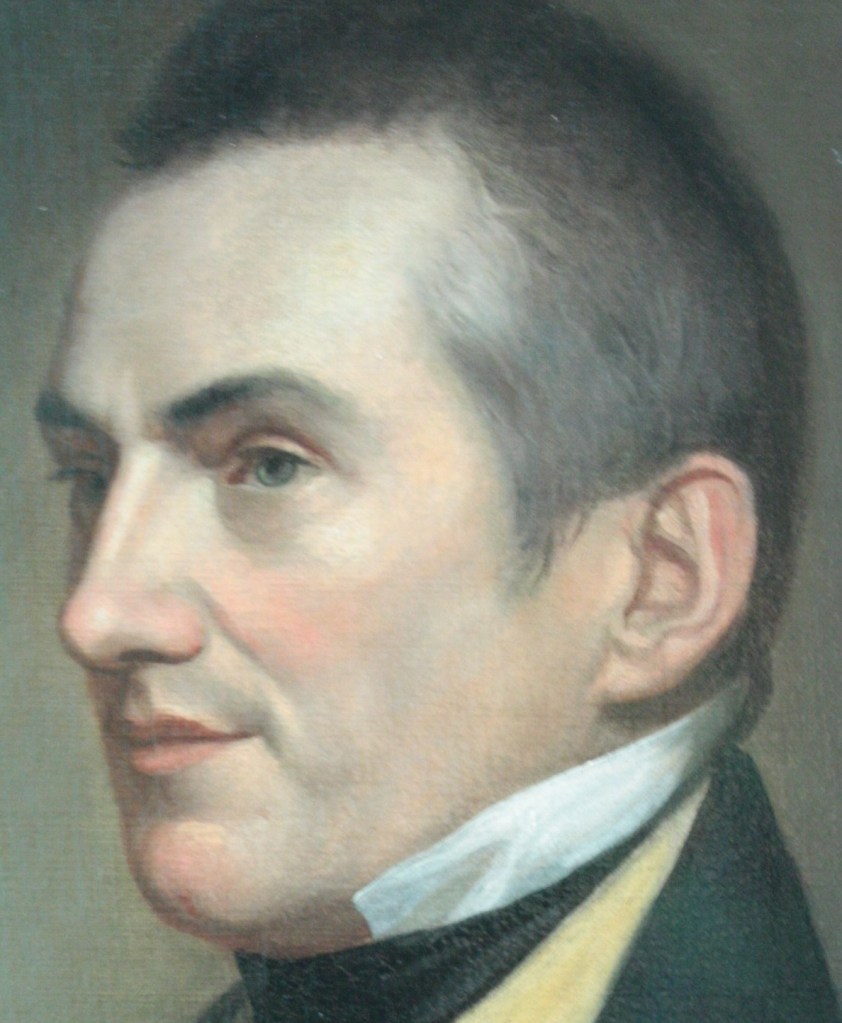
When wanderer, explorer, environmentalist, Charles Waterton, returned to his family estate in Walton near Wakefield in the 1820s he determined to create a protected environment for wildlife, particularly the wildfowl on his lake.
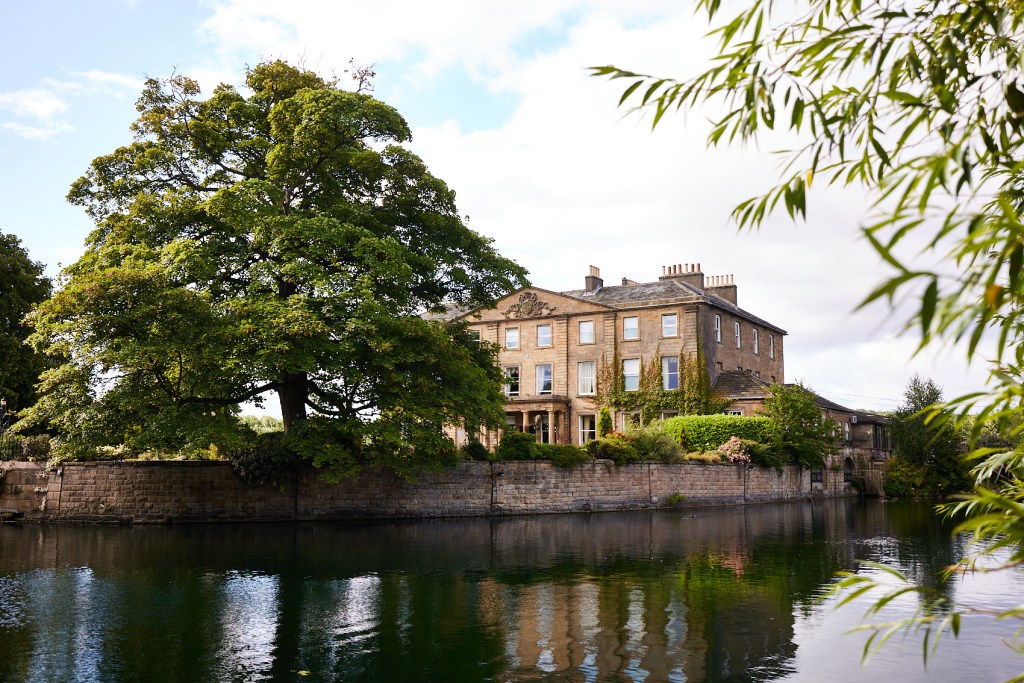
So, in 1821, he set about having a wall built. The three mile-long boundary wall was to keep out the predatory foxes and badgers and to stop poachers from shooting the birds. The wall was 9ft-16ft tall – the height, Waterton believed, over which a fox cannot jump. It was an expensive undertaking so Waterton saved, and once he had amassed some funds, he paid for the next section to be built. The quality of the stone varied which, in part, explains why the wall looks so different in places.
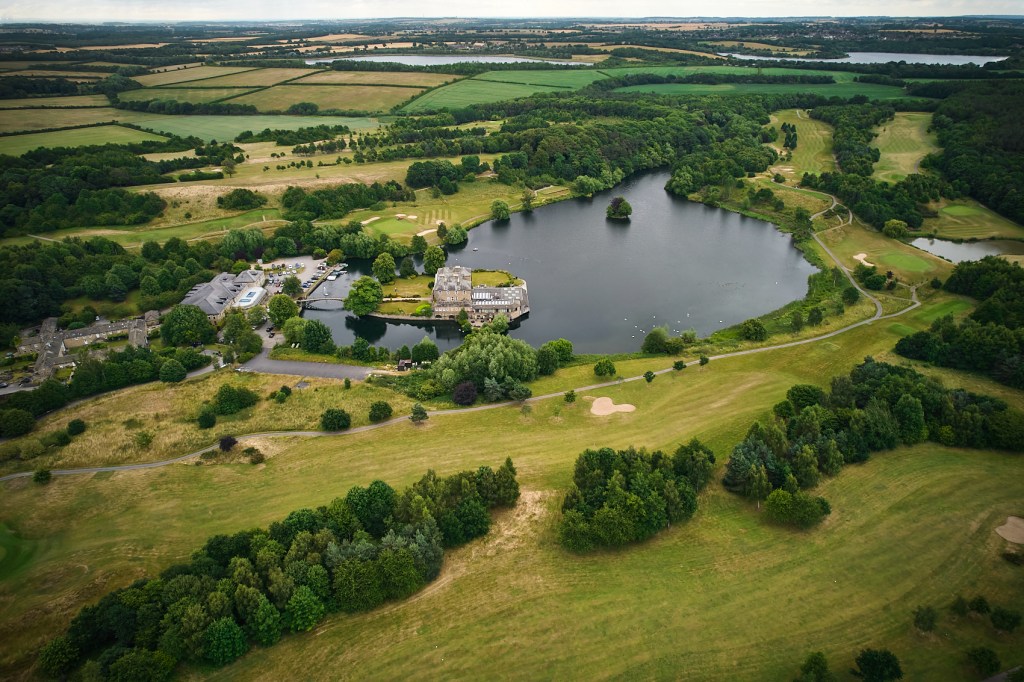
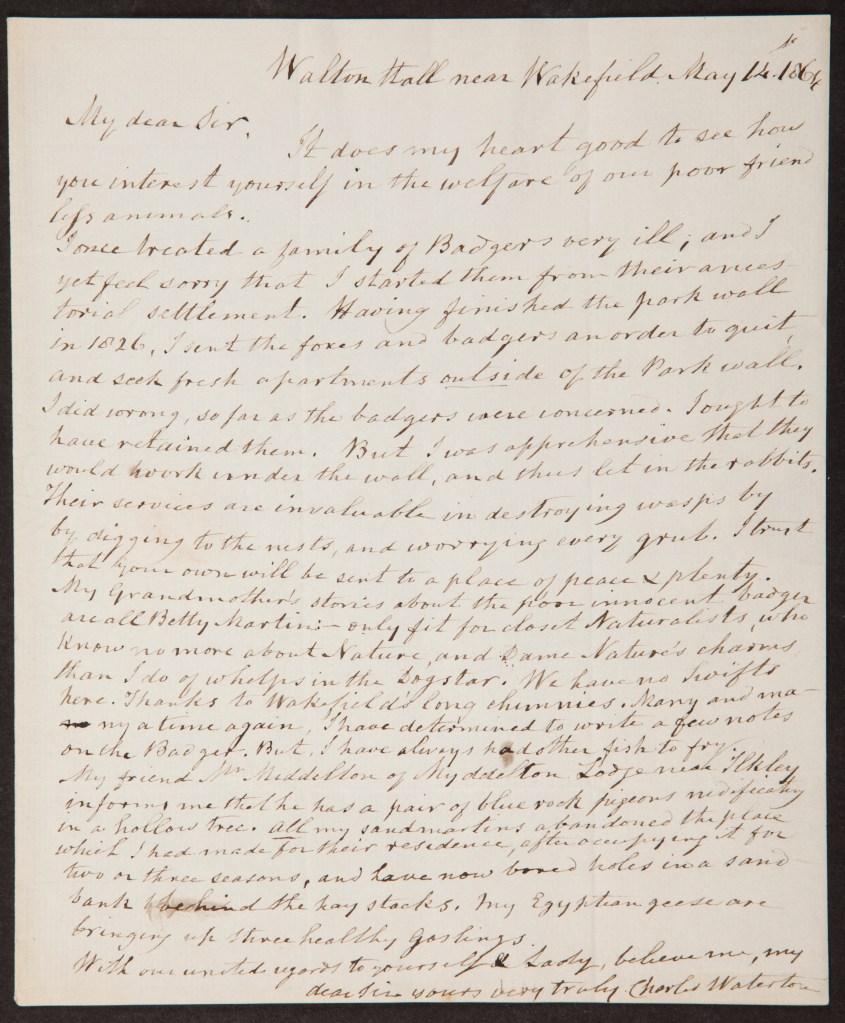
In 1826, five years later, the wall was finished. It had cost £9,000 – the equivalent of approximately £2.5 million today. Waterton relocated the foxes and badgers outside the wall.
Over the following years he watched as the range and number of wild fowl on his lake increased hugely. He built hides and created features around the grounds to provide habitats for different species.
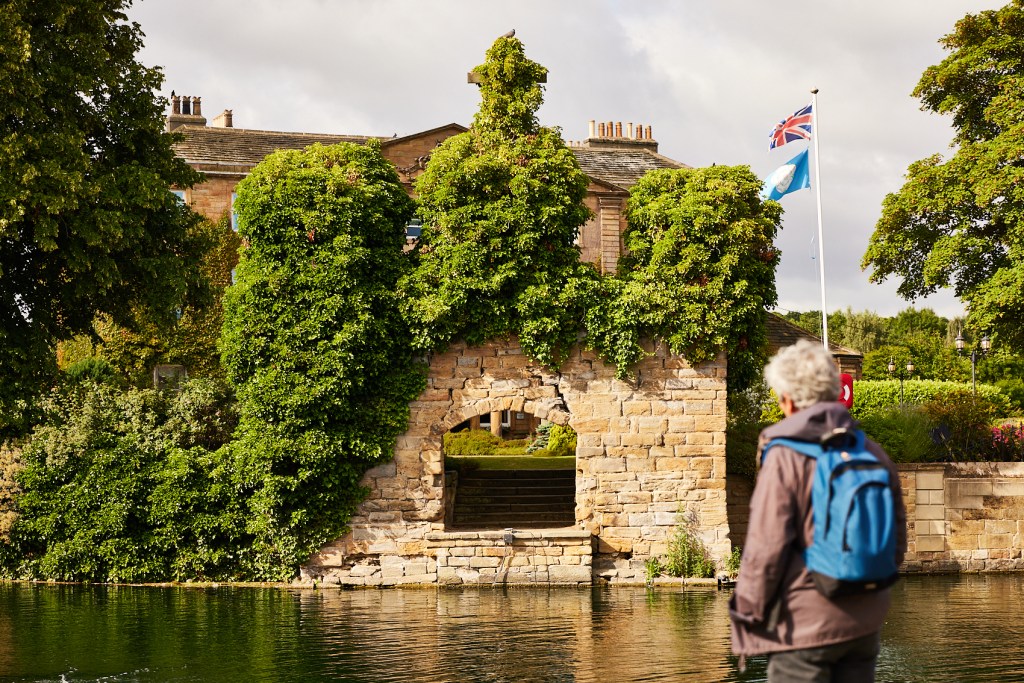
Importantly for us, he documented his progress, and his difficulties, in writings and letters.
Waterton was way ahead of his time in his attitudes to the environment. As David Attenborough said when he visited Wakefield in 2013, “Charles Waterton was little known not only internationally but, shamefully, in this country too, but he was a great and important figure.”
By building the wall Waterton is credited with having created the world’s first nature reserve.

So … the important thing to realise is that this isn’t just any old wall!
Next time, back to the present day and the strange coincidences that led to exhibition plans.

 Helen Riddle