Blog

Serendipity

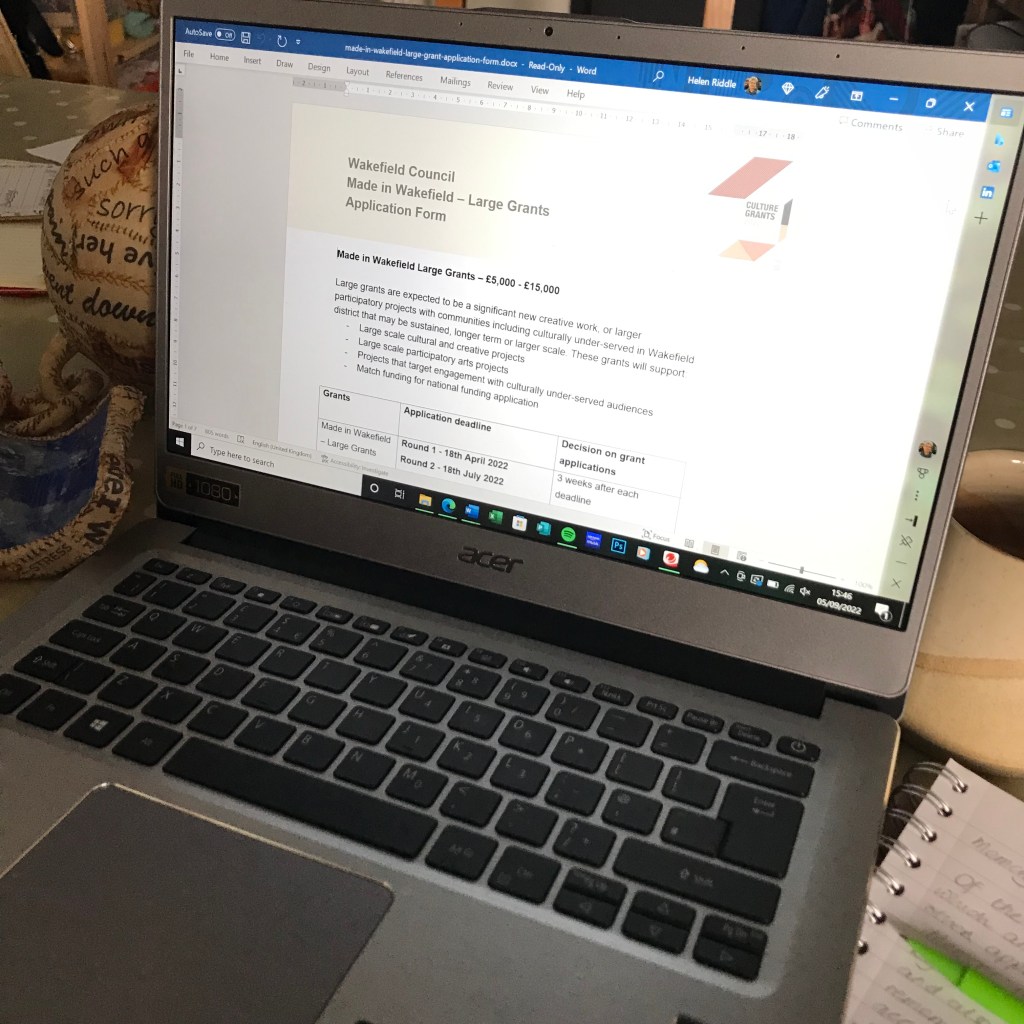
At my studio, early 2022, I was busy with a long-term body of work exploring age and fragility and researching on my laptop. A notification pinged about a new stream of grant funding from Wakefield Council.

Interesting.

Could I apply for a Culture Grant to help me bring this work to exhibition?
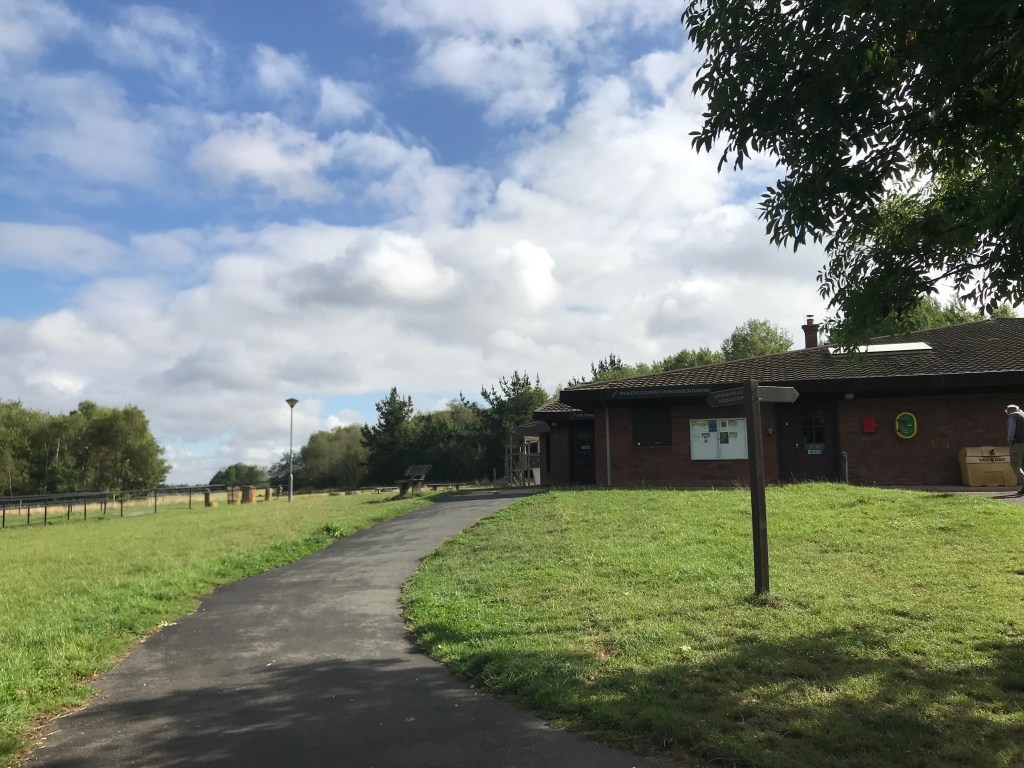
First task: find a venue. I looked and looked again but couldn’t find anything that seemed suitable for the work. One suggestion made was the newly refurbished Visitor’s Centre at Anglers Country Park. I was intrigued, but on reflection decided it didn’t match the work. Nonetheless, I made an appointment to visit the space a week later, just with a view to keeping it in mind for future projects.
A couple of days later, another notification on a friend’s Facebook about a new group – The Friends of Waterton’s Wall. I scrolled down. Something started to fizz in my head. I spent some time looking at the group’s posts and thinking about the wall. A germ of an idea.

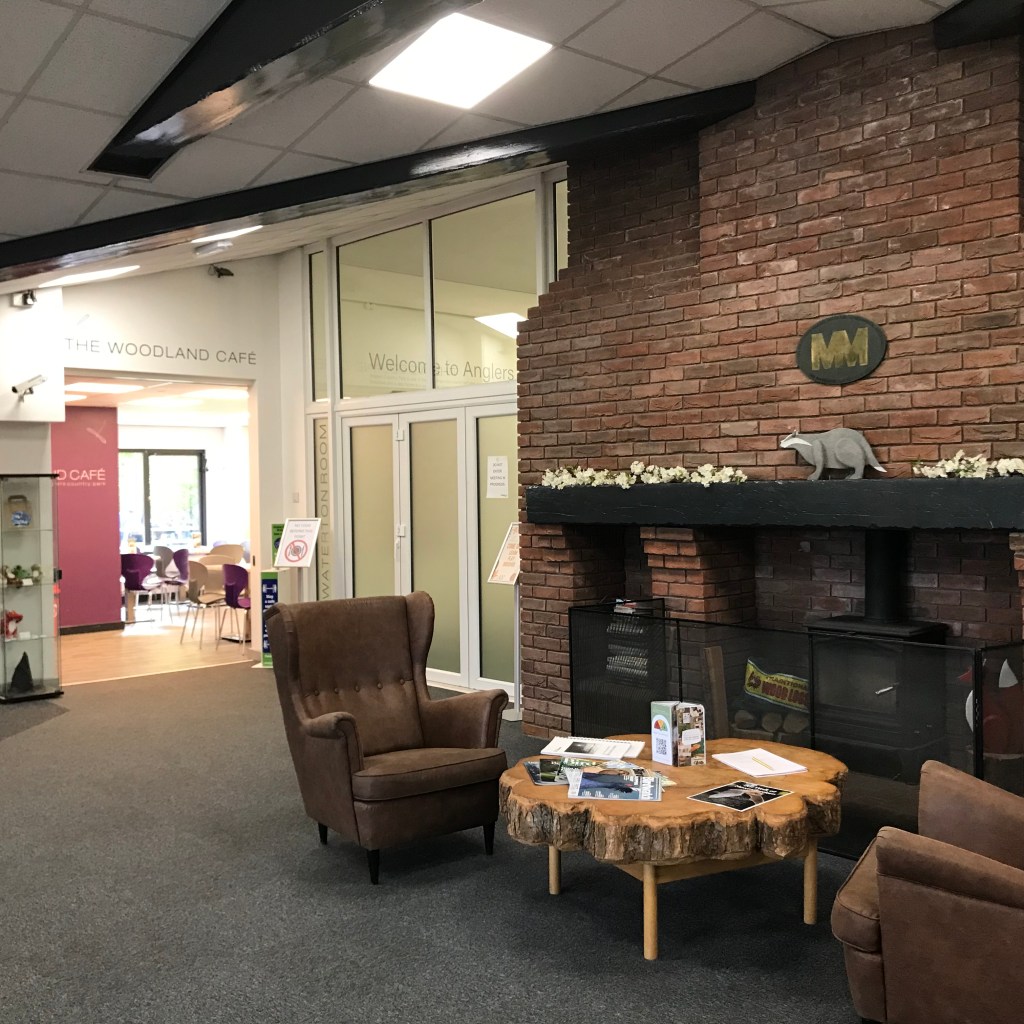
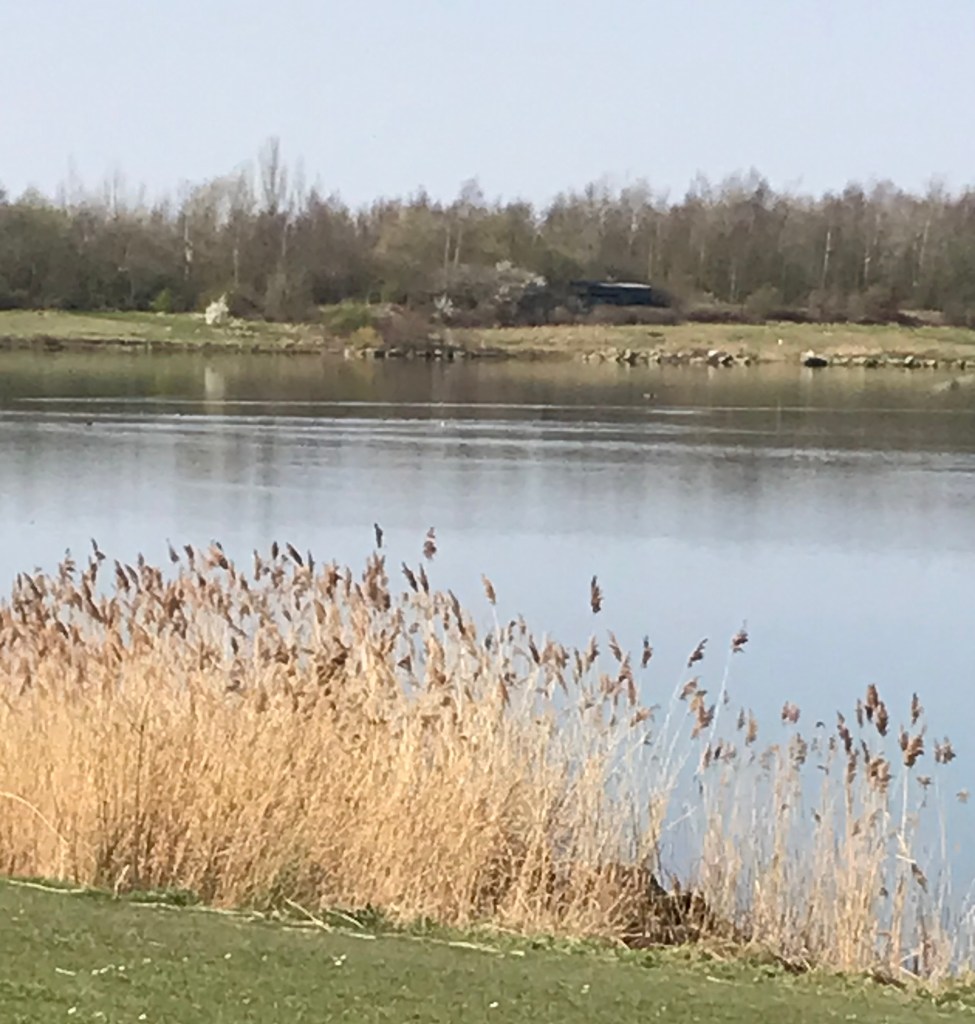
The visit to Anglers Country Park came around quickly. Like many people, I had visited ACP many times to enjoy a walk round the lake, grab a coffee at the café terrace and maybe use the loo but I did think of it as an outside venue, so I was surprised and delighted to discover the lovely, airy inside space, housing both permanent and temporary exhibitions.
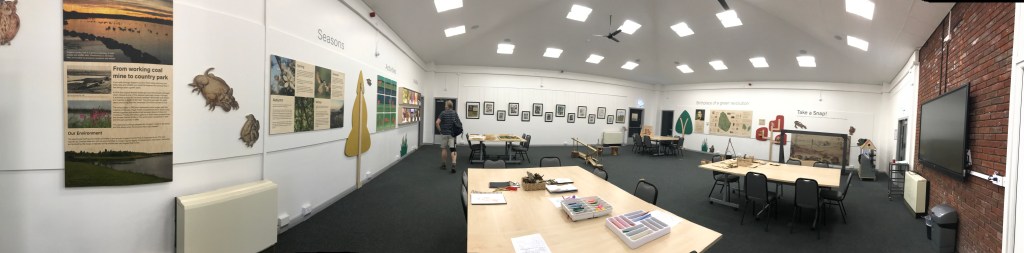
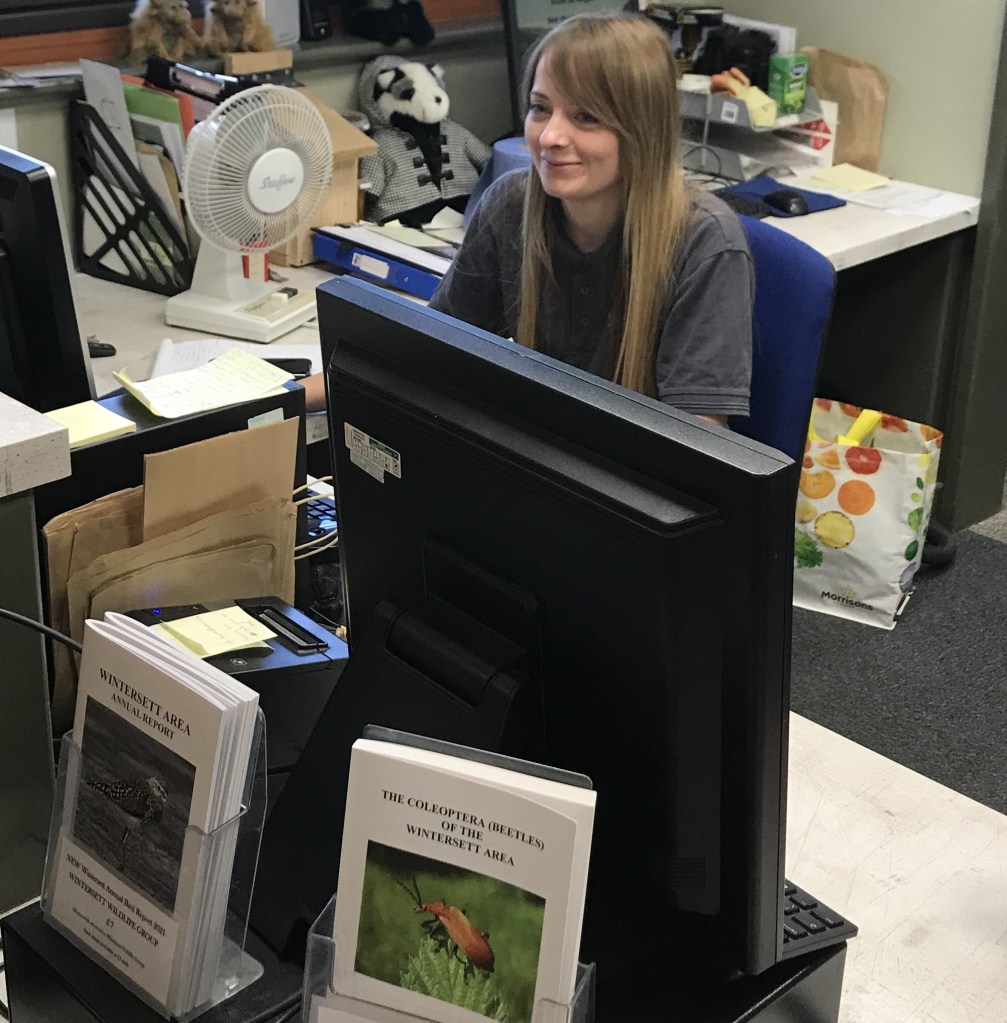
Abby King, the Visitor Experiences Manager showed me round. Tentatively I suggested an exhibition about Waterton’s wall and possibly linking up with the Friends’ group.

What did she think?

Yes, that would be good!
From the carpark, I phoned my friend, John, whose Facebook post about the FoWW group I’d seen. His house was on my way home.

Could I call in with an idea?

Yes!

Over impromptu coffee I explained my very sketchy plans. Would the Friends Group be interested in a collaboration? Would it be of use to them? John welcomed the idea with his usual infectious enthusiasm. “We’re having a launch event at the village hall tonight for the Friends’ Group. Why don’t you come along?”
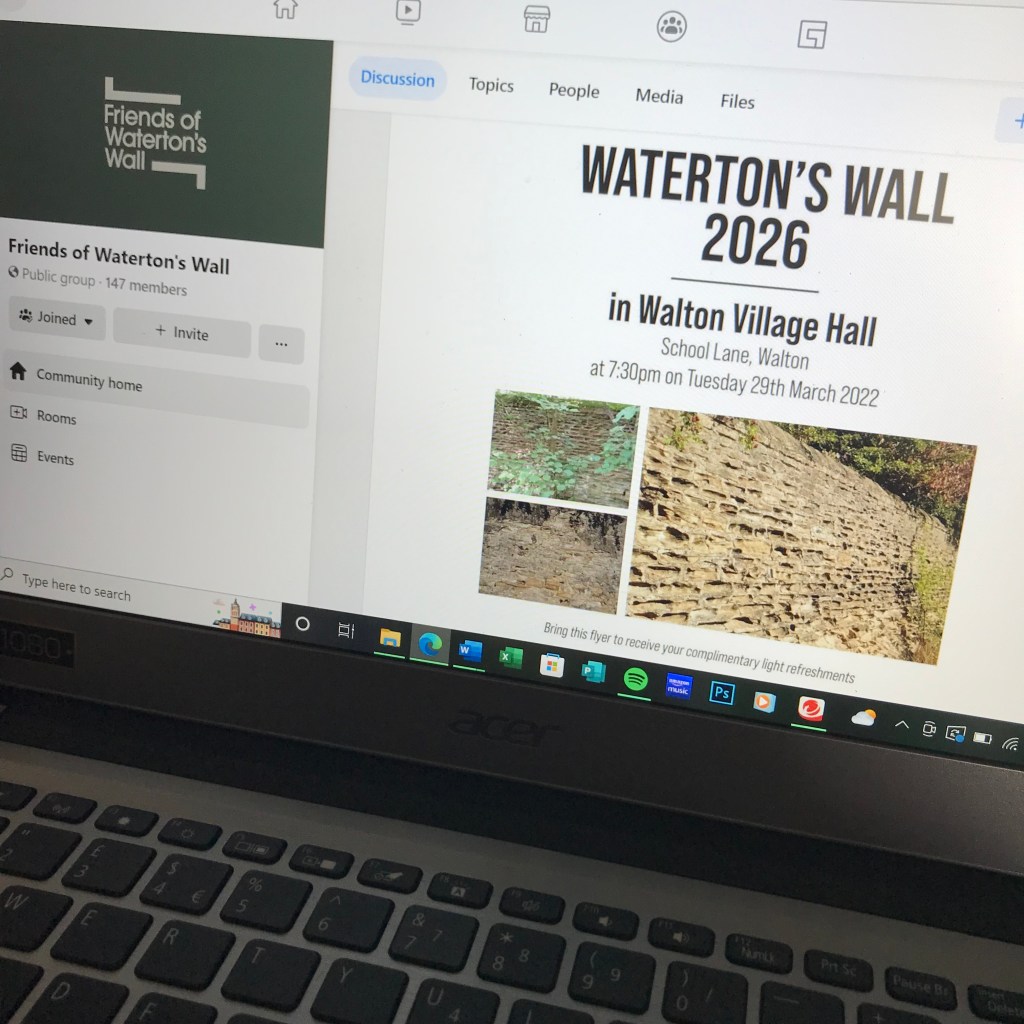
And so it started. Three meetings in one day and an alignment of the stars.

A whole new project.

I had work to do!
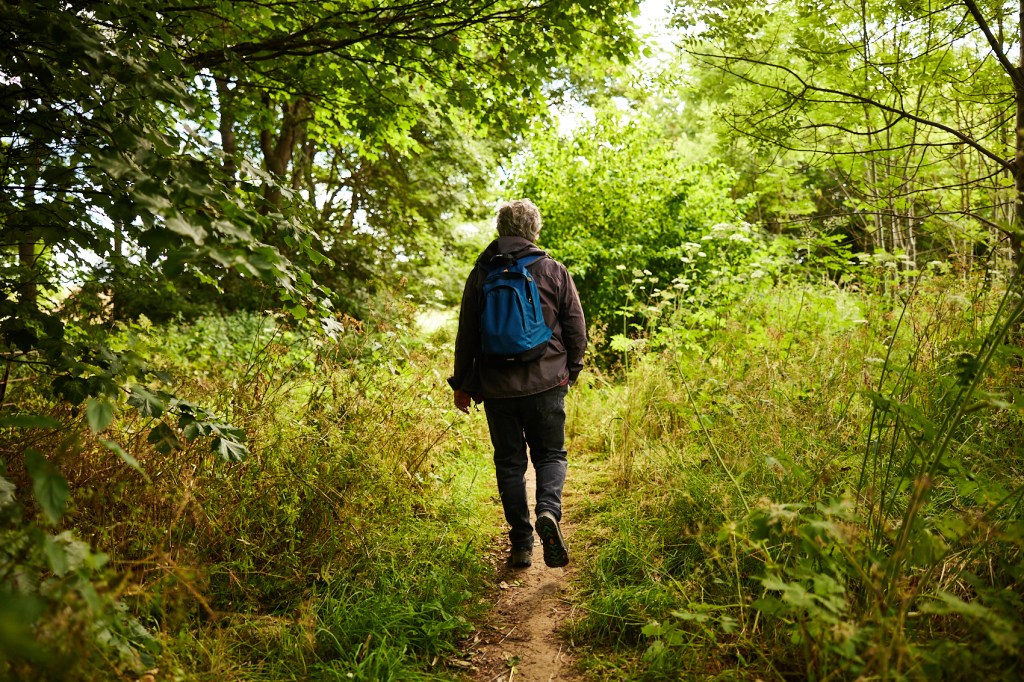
Photo credit: David Lindsay

Next time: first things first.
Waterton

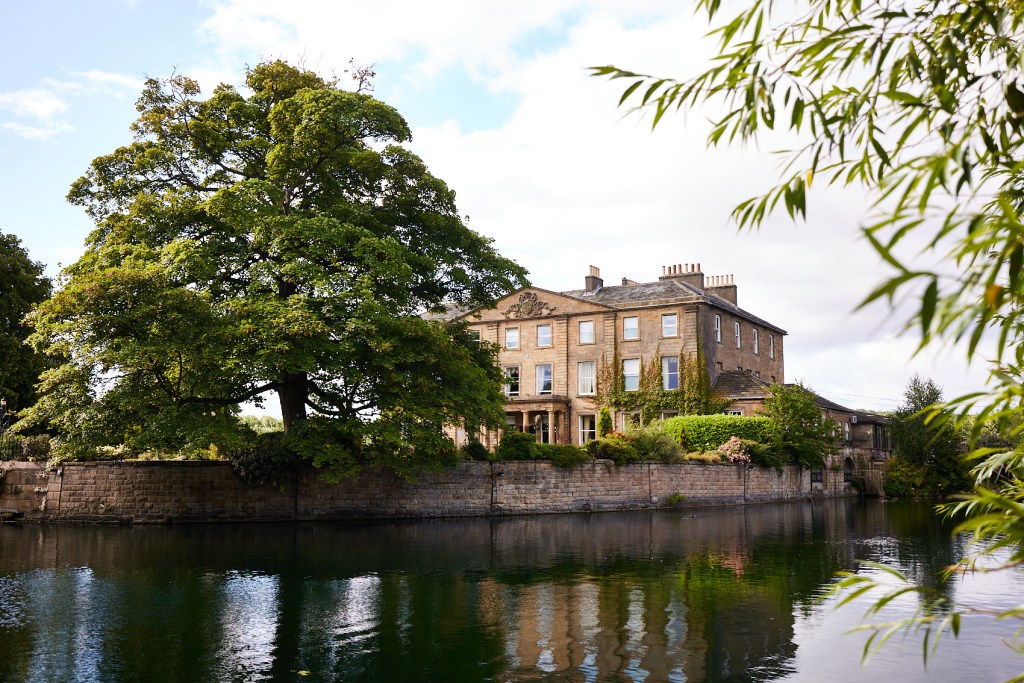
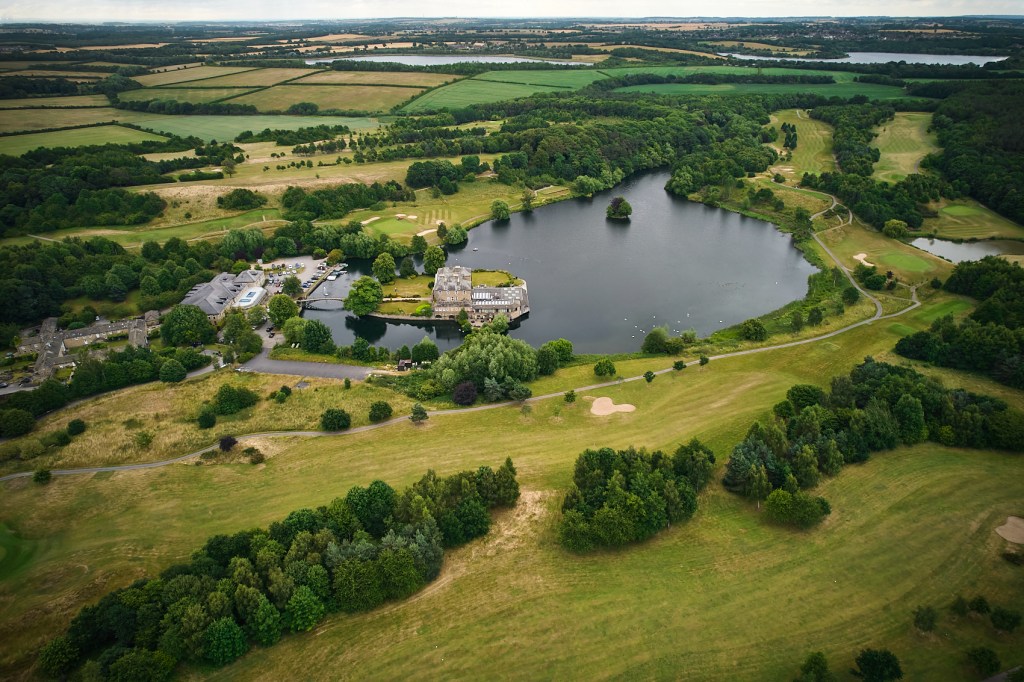
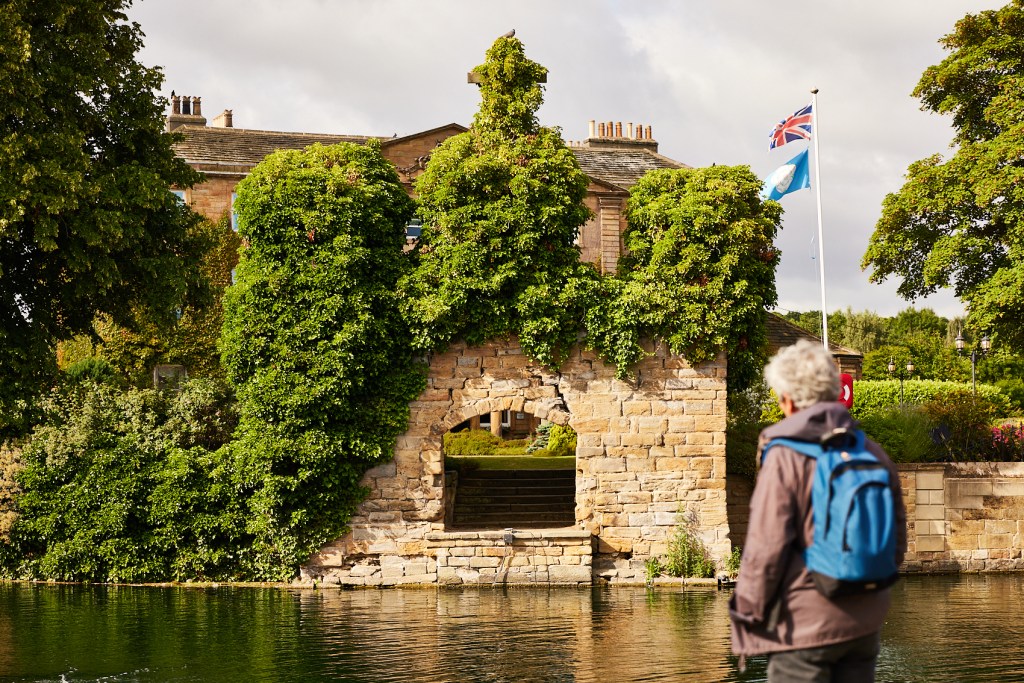
When wanderer, explorer, environmentalist, Charles Waterton, returned to his family estate in Walton near Wakefield in the 1820s he determined to create a protected environment for wildlife, particularly the wildfowl on his lake.

Photo credit: David Lindsay

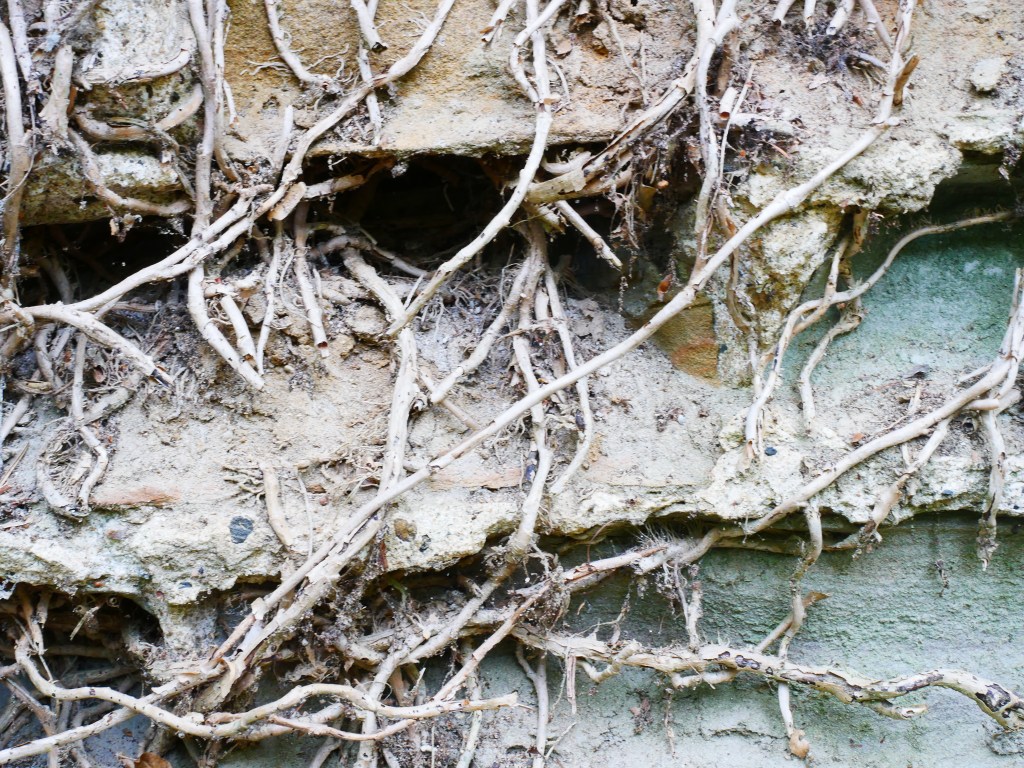
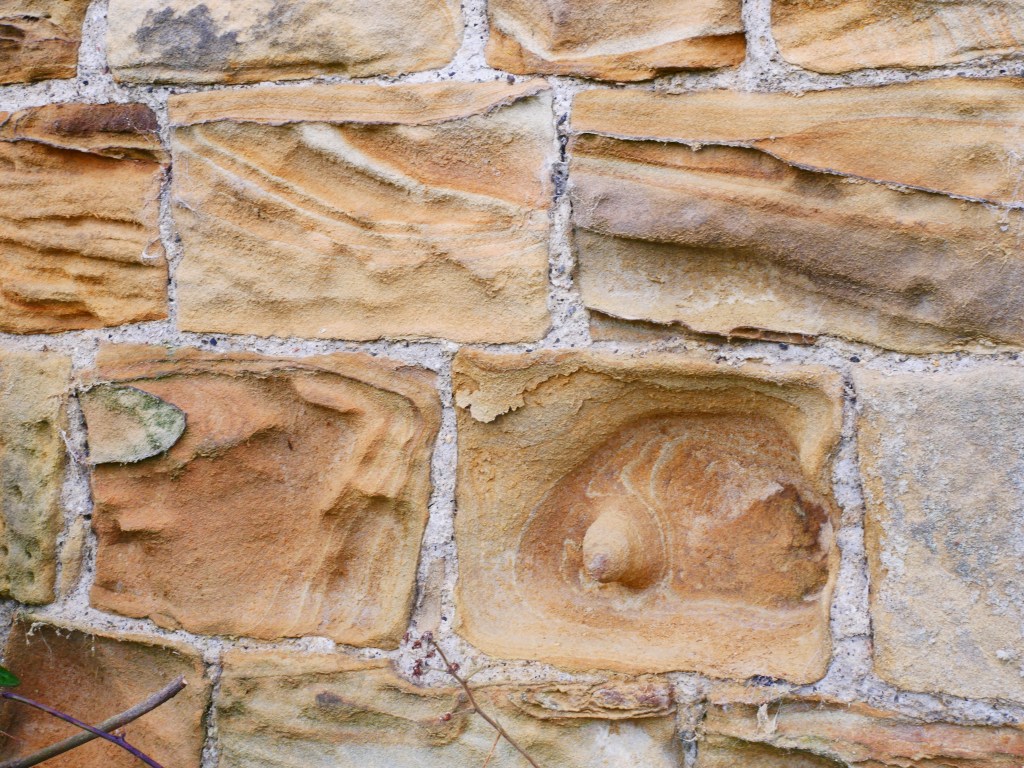
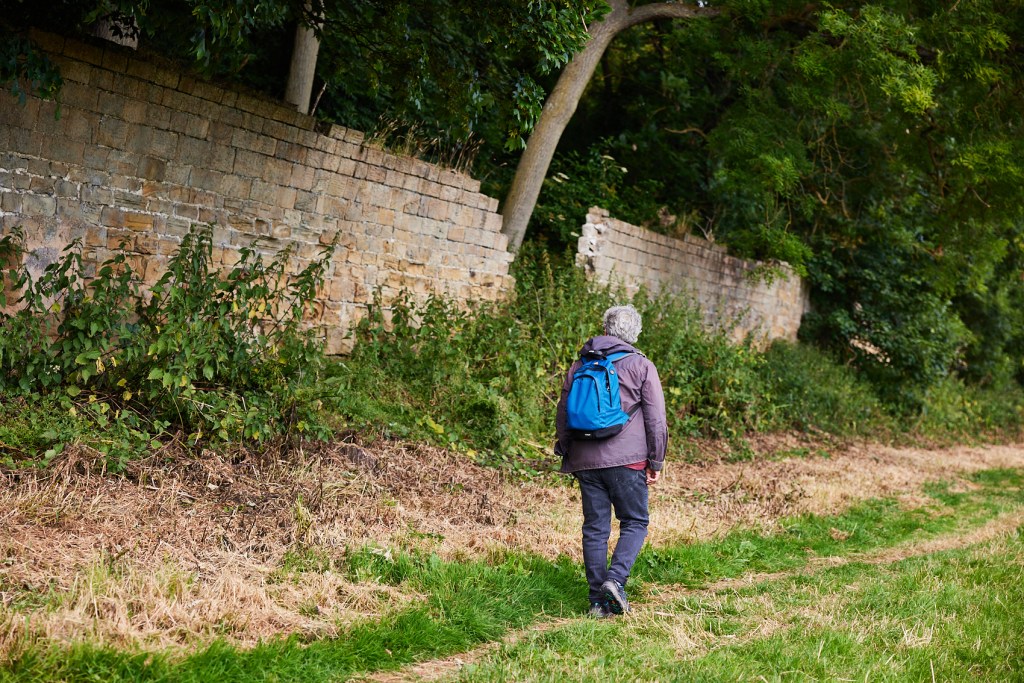
So, in 1821, he set about having a wall built. The three mile-long boundary wall was to keep out the predatory foxes and badgers and to stop poachers from shooting the birds. The wall was 9ft-16ft tall – the height, Waterton believed, over which a fox cannot jump. It was an expensive undertaking so Waterton saved, and once he had amassed some funds, he paid for the next section to be built. The quality of the stone varied which, in part, explains why the wall looks so different in places.

Photo credit: David Lindsay

In 1826, five years later, the wall was finished. It had cost £9,000 – the equivalent of approximately £2.5 million today. Waterton relocated the foxes and badgers outside the wall.

Over the following years he watched as the range and number of wild fowl on his lake increased hugely. He built hides and created features around the grounds to provide habitats for different species.

Photo credit: David Lindsay

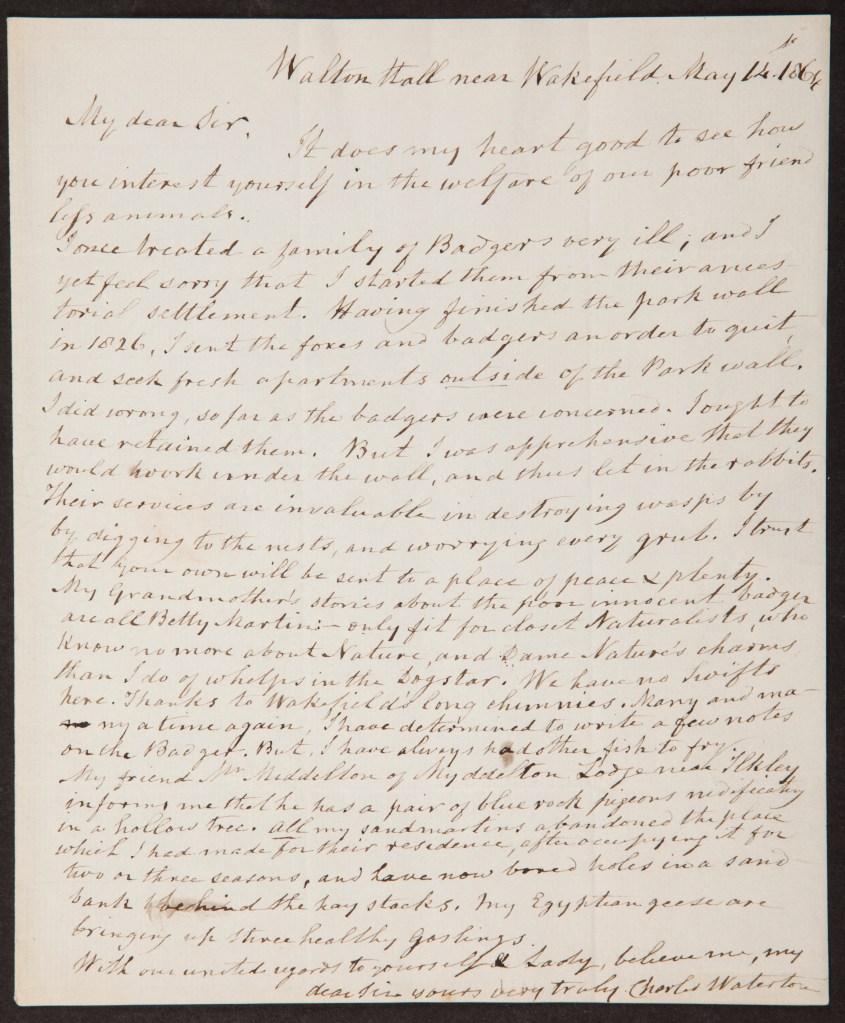
Importantly for us, he documented his progress, and his difficulties, in writings and letters.

Photo with thanks to Wakefield Museum

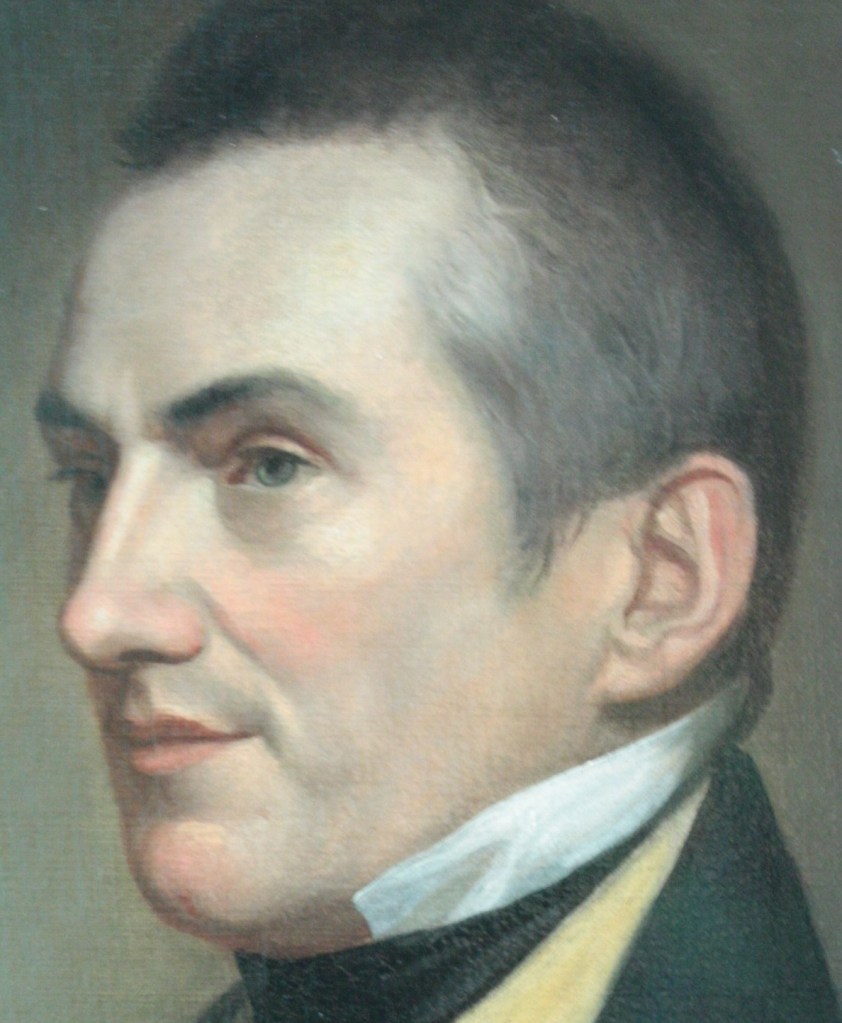
Waterton was way ahead of his time in his attitudes to the environment. As David Attenborough said when he visited Wakefield in 2013, “Charles Waterton was little known not only internationally but, shamefully, in this country too, but he was a great and important figure.”

By building the wall Waterton is credited with having created the world’s first nature reserve.

Photo credit: David Lindsay

So … the important thing to realise is that this isn’t just any old wall!

Next time, back to the present day and the strange coincidences that led to exhibition plans.

Roots

Where do exhibitions have their roots? They don’t emerge out of nothing. For A Stitch in Time, the skills I’m using go back a long time, as does the interest in age and fragility, but the pandemic was undoubtedly an important catalyst for this exhibition.

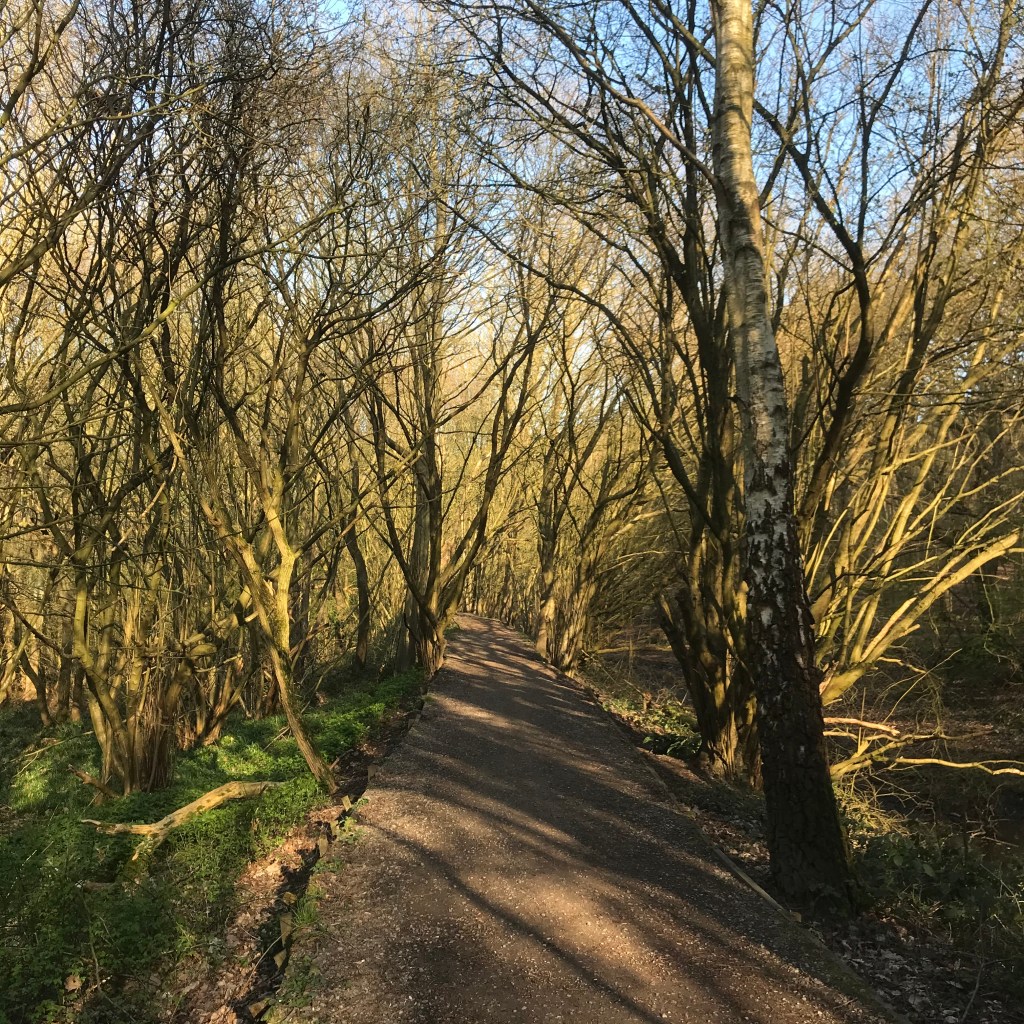
For me, as for many people during lockdown, time became elastic. Unable to function normally as an artist, I headed out on foot to explore my local area. My husband and I tried hard not to walk the same footpath every day and were lucky that there was lots of choice. Favourites emerged though – out to Haw Wood and along the Barnsley Canal tow-path or various different routes to Anglers Country Park.

 It was on these daily walks that the wall started to catch my attention. Not all at once though. In my head I didn’t join up the snippets of wall on one walk with the glimpses I caught on another. The logical jump of linking it up in my head wasn’t helped by the fact that the wall looks so different from one section to the next.

Eventually though, the penny dropped – these weren’t just any old walls I was seeing, they were part of one wall. One circular boundary wall, three miles long. So why is it there? Time for a bit of history.

Wall

How’s your work going? What are you up to at the moment?

-Good thanks, I’m planning a wall exhibition.

You mean wall-based work?

-Well, yes, but also exploring a wall.

Is there a lot to explore?

-How long have you got … ?

photo credit: David Lindsay