As I said in an earlier post, it took the increased frequency of walks during the pandemic for me to realise that Waterton’s Wall was in fact a single structure. As soon as I started talking about the project to local people, I realised it wasn’t just me who had missed this. So it was fairly early on that I decided the centrepiece of my exhibition would be a map.
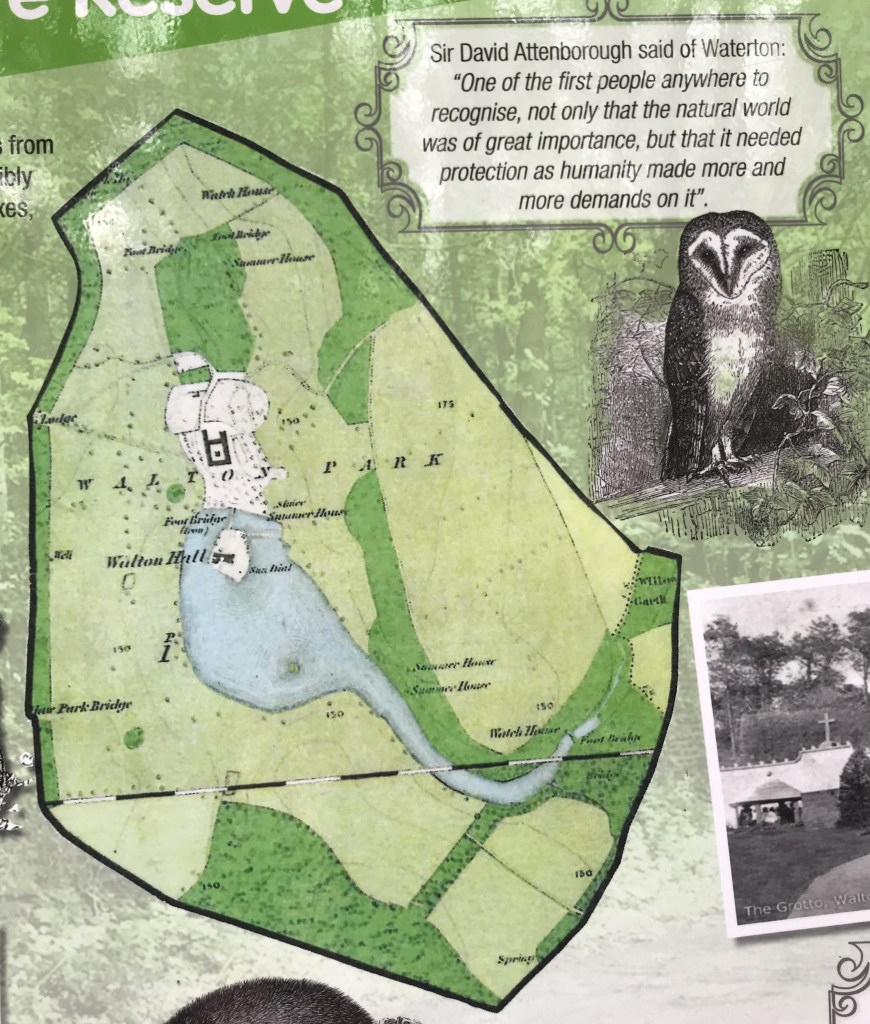
Unscientifically, I walked the perimeter and recorded what I saw in order to build a complete picture. Access is very difficult in places and the vegetation and overhanging trees make it difficult to see what is what.
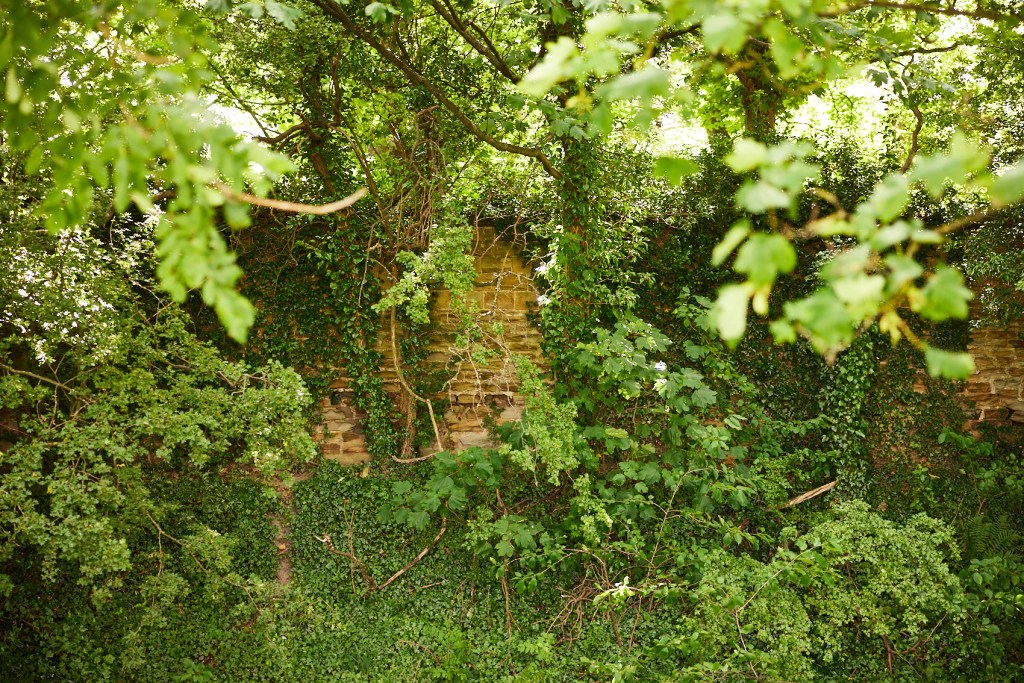
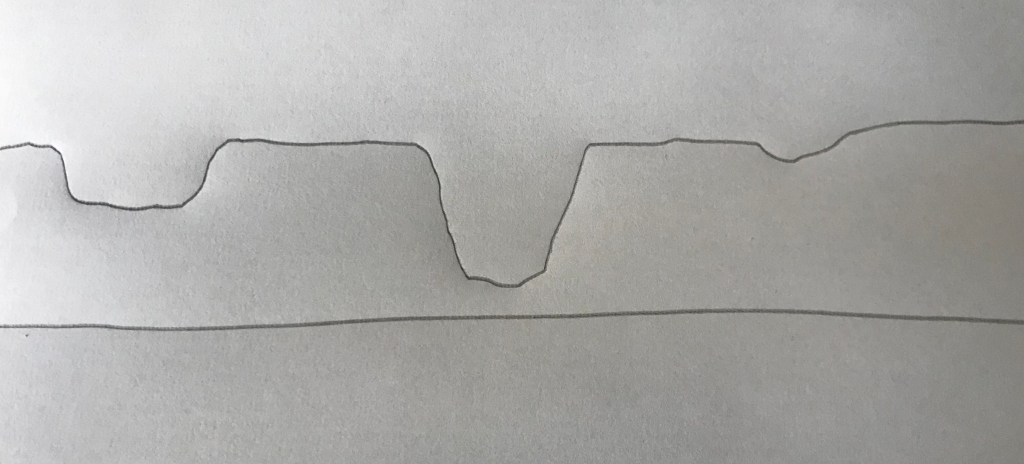
But eventually I began to identify the different stretches and see where the wall stands tall and where it no longer stands at all. On different lengths of paper I drew the contour of the top of the wall as I walked.
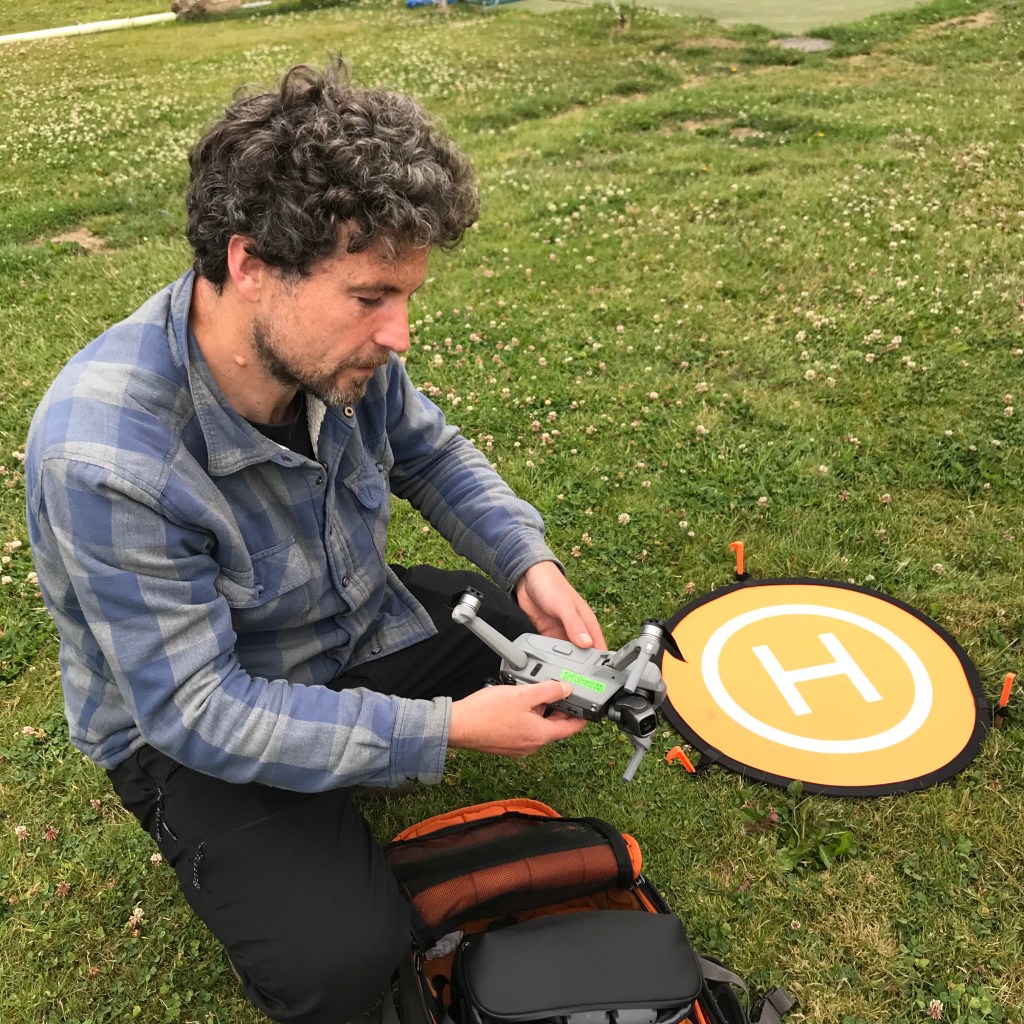
I used a combination of Google Earth images, existing maps and the drone footage shot by David Lindsay for this project to inform the design.
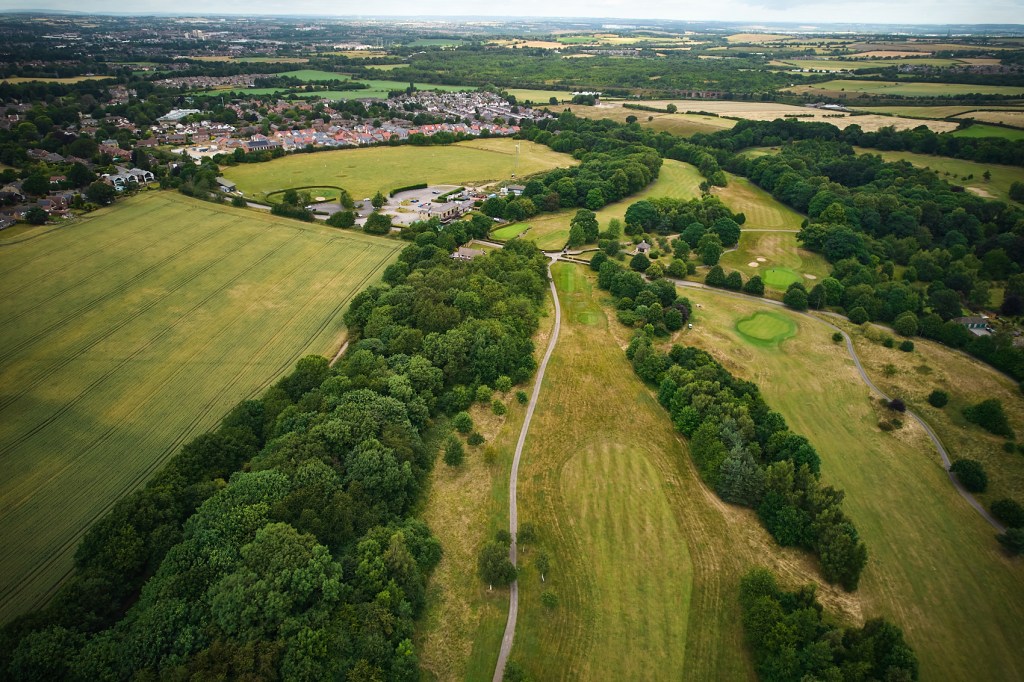
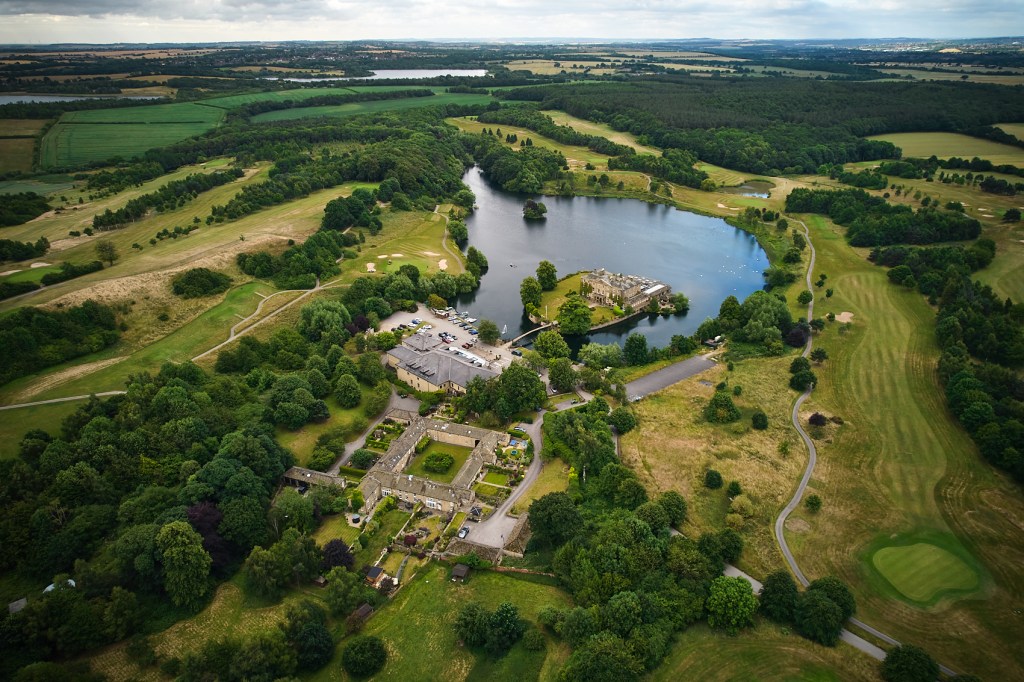
It was great fun seeing the wall from a drones-eye perspective and also from that of a photographer – we all bring our own thoughts.

I decided my map would be very much representative of today – a wall, containing a golf course and a hotel set in parkland – and that my representation of the wall would be ‘warts and all’ 200 years after its construction. I drew a sketch and, from that, a layout plan. Then I started collecting materials.

Wet felting a large piece like this comes with its own practical complications. To save me the backache of working on the studio floor, I had to create extensions to my already large felting table. The background wool is a mixture of merino and blue-faced Leicester fleece and silk.

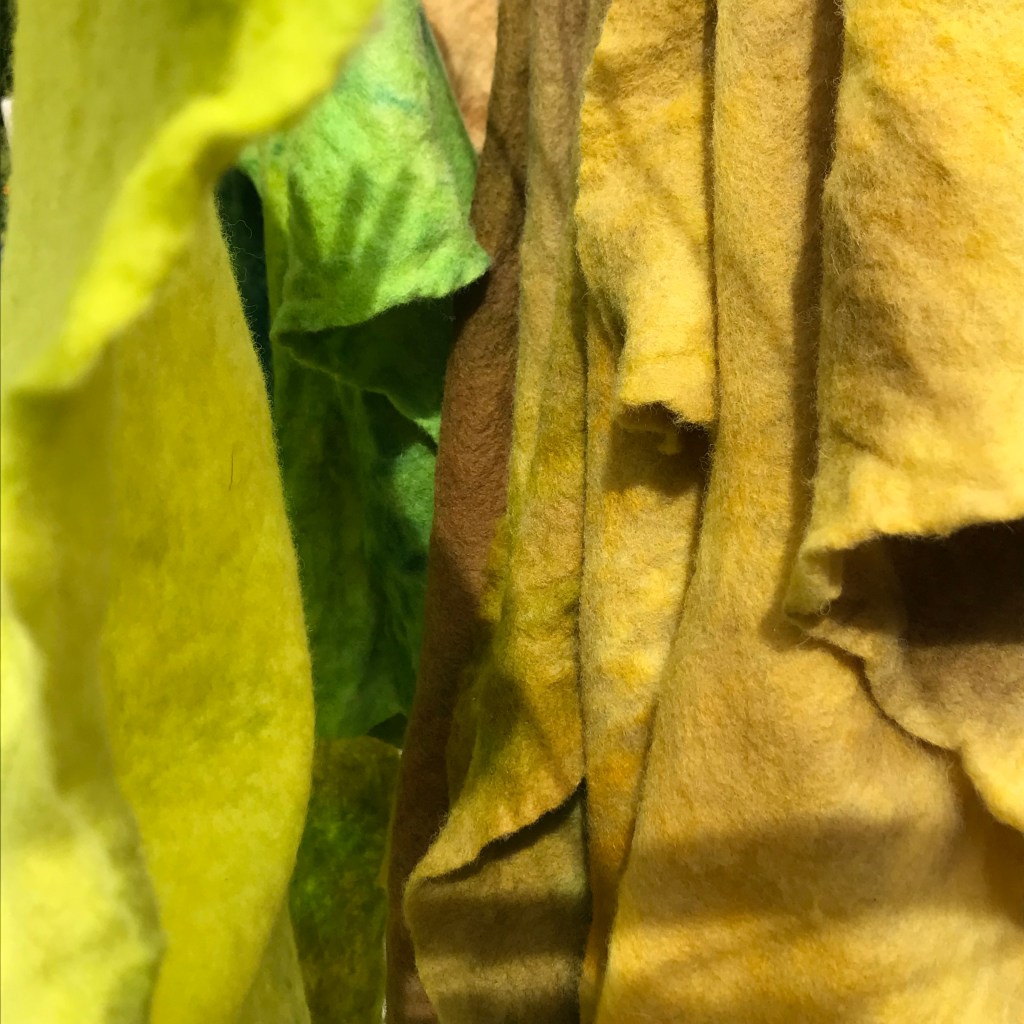
Once I had a thick, even background the fun started, creating the inside of the park, the golf course and hotel with mixed hand-dyed wools, prefelts and other fibres.
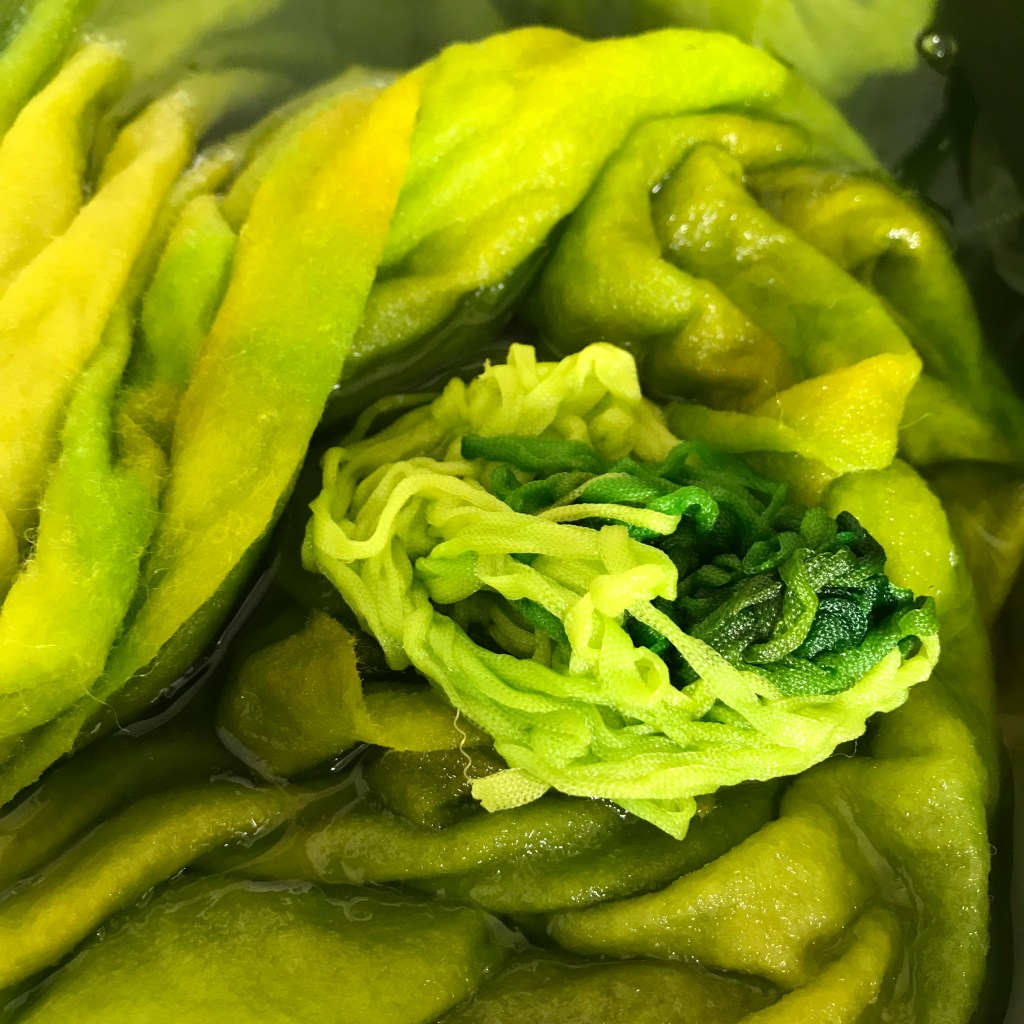
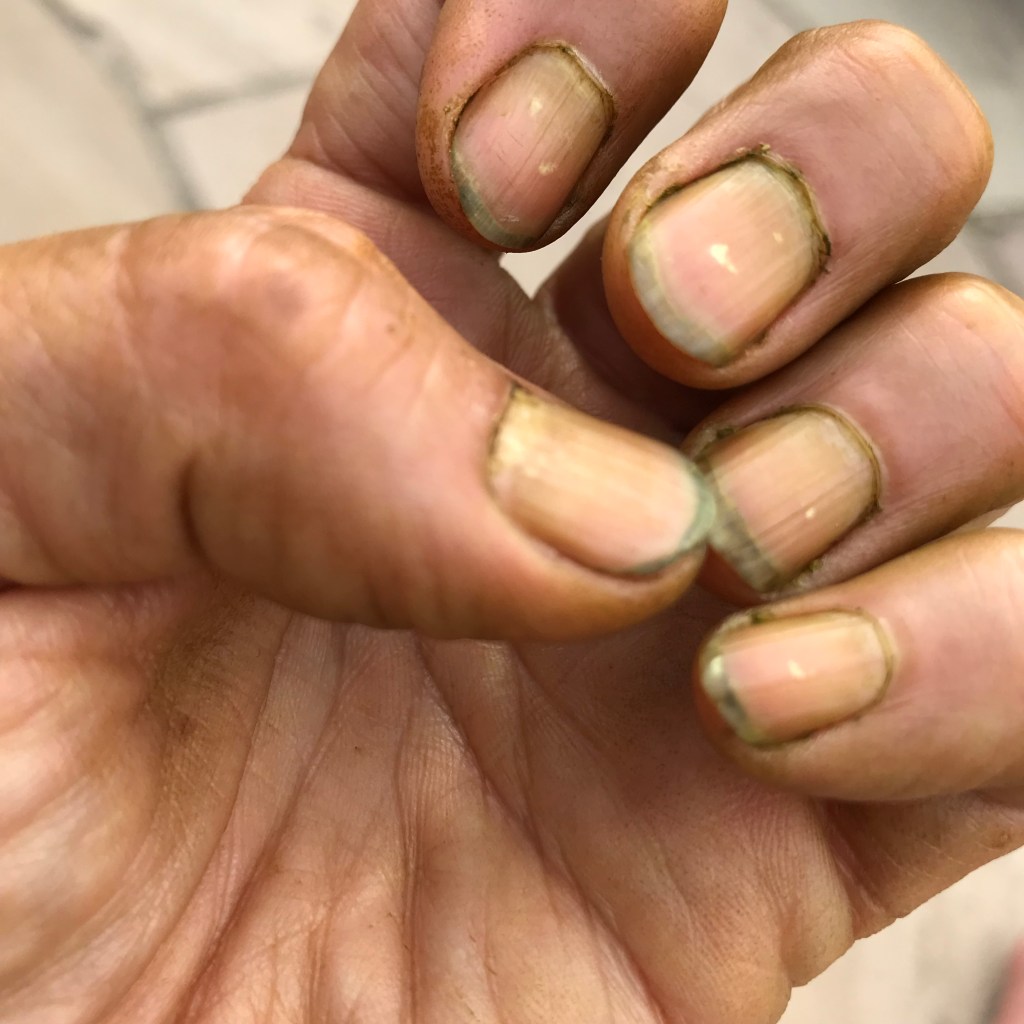
After 3 days the laying out was complete.
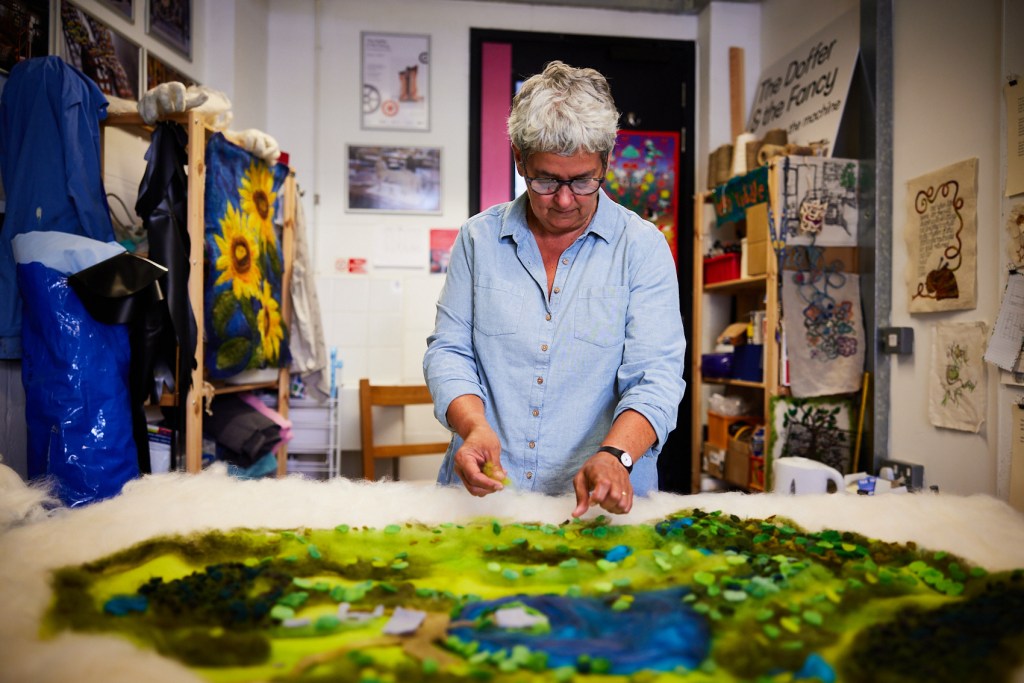
I love wet-felting. After all the years I’ve been doing it, and with a pretty sound understanding of managing the interaction between wool fibres, water, soap, temperature and friction, I still regard the moment when it all comes together as pure magic! At this scale it is hard work physically and I was glad to be in the studio with a moppable floor and my own deep sink. There is something very therapeutic, after all that rubbing and rolling, about gently rinsing the felt on a hot day!
Fortunately, the hot weather continued and drying didn’t take too long.
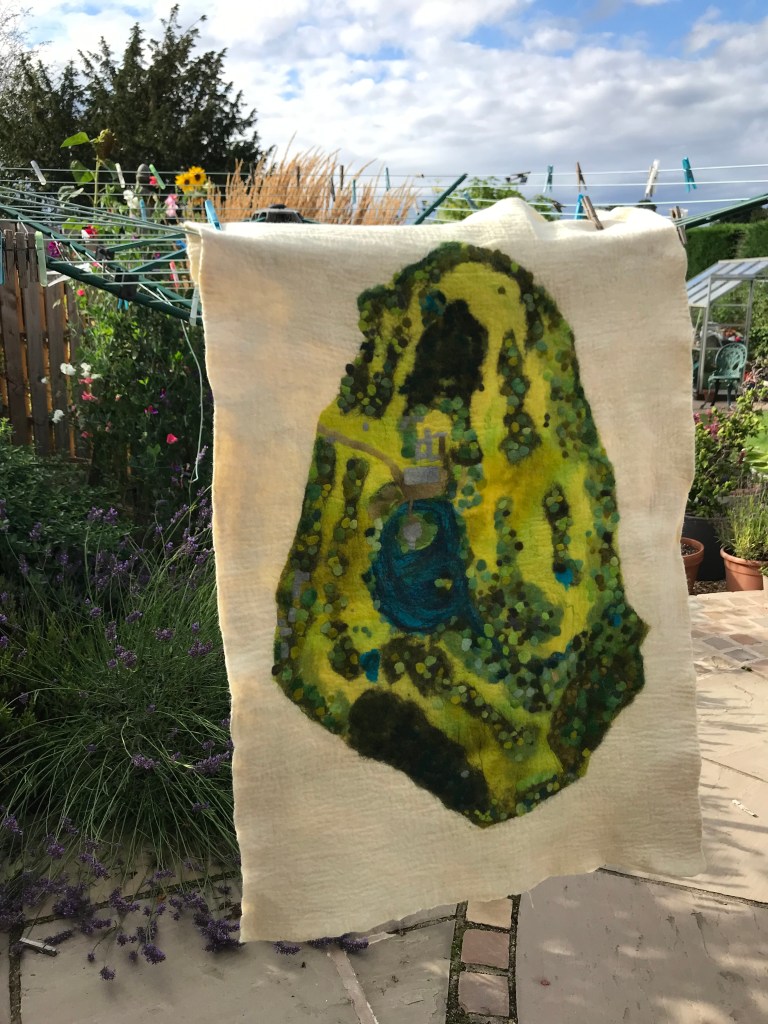
Next time: adding stitch.

 Helen Riddle